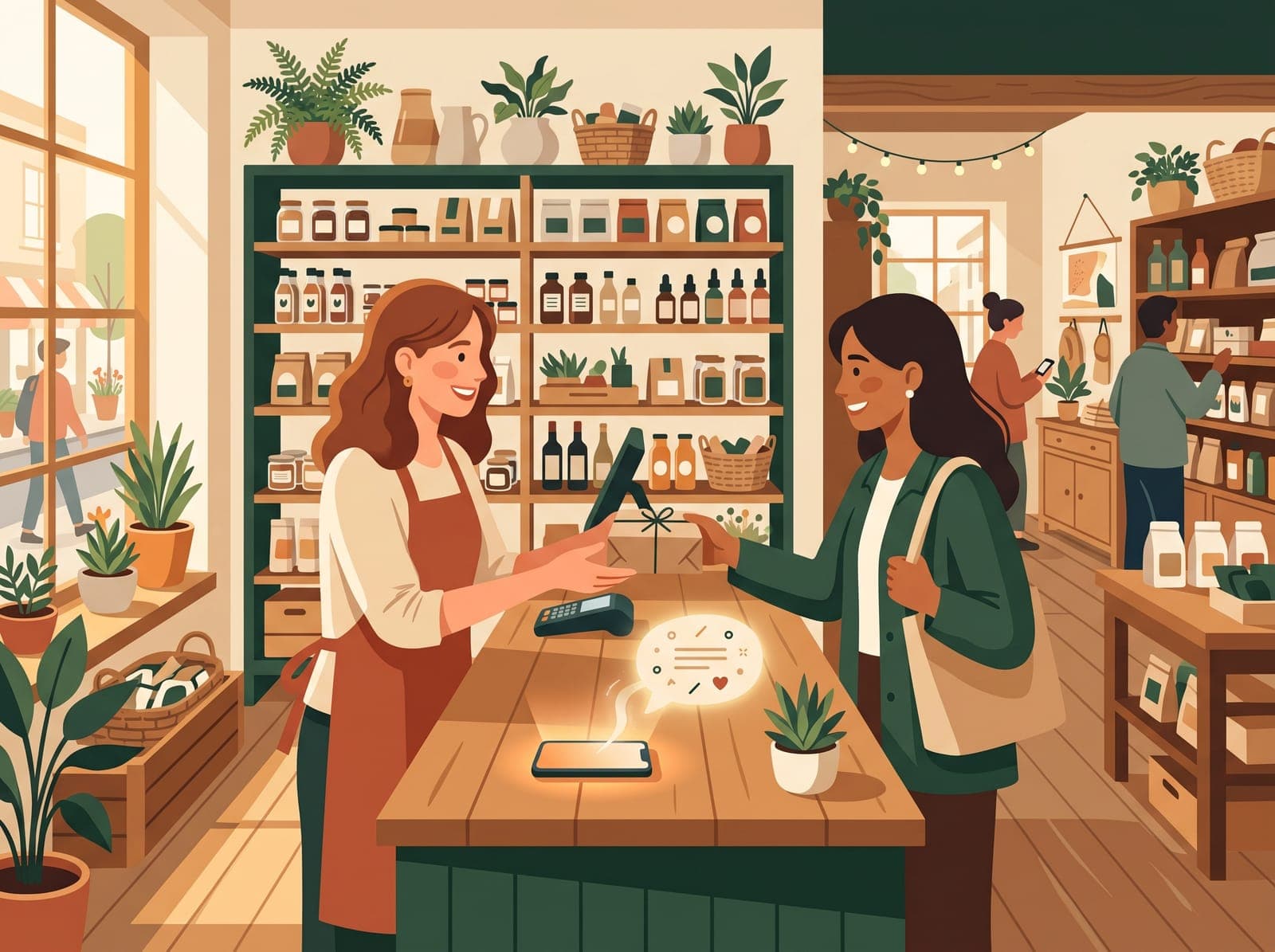
Owners ask me where to start with automation, and they usually expect a complicated answer. The real one is almost embarrassingly specific: set up a missed-call text-back. When someone calls and you can't pick up, they instantly get a text: sorry we missed you, here's what happens next.
That's the whole feature. Here's why it comes first.
A missed call is rarely just a missed call
Think about when your phone rings: you're on a ladder, elbow-deep in a repair, or helping the customer in front of you. The person calling doesn't know that. They know one thing: nobody answered. And most of them do the obvious next move, which is calling the next business on their list.
The text-back changes that math. Within seconds, the caller knows you exist, you noticed them, and you'll be in touch. Most people are happy to wait once they know they're in line; what they won't wait through is silence.
It also passes the worth-automating test on all three counts: calls get missed every week, the response is identical every time, and the cost of letting it slip is a customer you never knew you lost.
What a good text-back says
Keep it short, human, and specific:
- Own the miss: "Sorry we couldn't pick up!" beats a robotic greeting
- Set a real expectation: when you'll call back, honestly
- Offer a faster lane: a booking link or an "if it's urgent" option
- Ask one useful question, like what they need, so you can call back prepared
And then the part no automation can do for you: actually call back when you said you would. The text buys you the window; you still have to use it.
The fine print, honestly
Text-backs only reach mobile callers, so some landline calls will still land in voicemail; keep that greeting decent too. And resist the urge to make the message clever or salesy. It's standing in for you at your busiest moment, so it should sound like you at your politest, not like a marketing department.
If you'd like help setting one up, or you're not sure whether your current tools can do it, bring it to the free consult. It's a small project on its own, and a good first taste of what running-by-itself feels like.